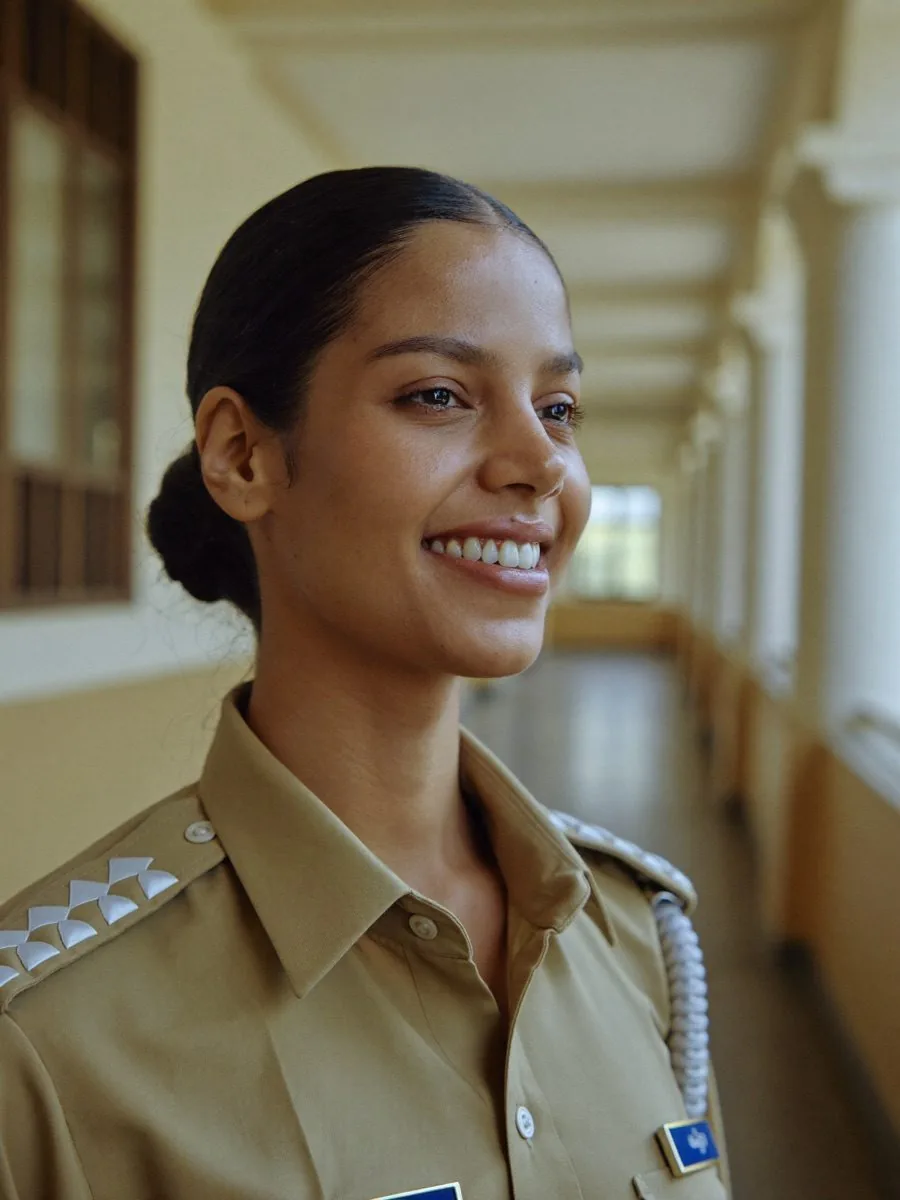
IFS Officer Matrimony: Marriage and a Life Between Delhi and the World
IFS officer matrimony: what to know about marrying an Indian Foreign Service officer, from postings abroad to your own career, children and schooling.


Key takeaways
- IFS life alternates between postings abroad, including hardship stations, and demanding years at headquarters in Delhi.
- A spouse’s right to work abroad depends on the host country; check current rules instead of assuming.
- Ask about schooling and ageing parents early, because both come up sooner than families expect.
- Agree how much of the representational role the spouse will take on, and revisit it at each posting.
IFS officer matrimony means planning a marriage around a career that moves between Delhi and Indian missions abroad every few years. One posting might be in a European capital, the next in a small embassy in Central Asia or West Africa, with stretches at headquarters in between. The right partner is someone who wants that life and has thought about what it means for their own work and for children.
A life in postings
First, which IFS. Here it means the Indian Foreign Service, India’s diplomats under the Ministry of External Affairs, and not the Indian Forest Service (often written IFoS), which is a separate service with a very different life. IFS officer matrimony comes with its own rhythm: a few years at a mission abroad, a few at headquarters in Delhi, then abroad again.
After the foundation course with the other services, IFS probationers train at the foreign service training institute in New Delhi and are assigned a foreign language to learn, usually at their first posting abroad. From then on, each posting brings a new language, a new house and new friends, and for the spouse, a fresh set of rules on what they can do.
Life as a diplomat’s spouse is more public than in most services. There are receptions, national day events and dinners at home for visiting delegations. How much a spouse takes part is for the couple to work out, but nobody should be surprised when the invitations arrive. The Delhi years are different again: long hours at the ministry, government housing, and a chance for a spouse to pick up a career that was on hold abroad.
Your own career
For anyone marrying an IFS officer, this is the conversation that matters most, and the one couples most often leave vague. Whether a diplomat’s spouse can work in the host country depends on that country’s rules and any arrangement it has with India, and those rules vary from country to country and change over time. There may also be Indian government guidance on what a spouse can take up abroad. Check the current MEA position for each posting instead of assuming.
Some careers move more easily than others. Writing, translation, research, design, consulting and most remote work can come along. A doctor or lawyer may find their qualification is not recognised in the host country, and use those years for a further degree or a different kind of work. Others pause and pick up again during the Delhi postings.
Make the plan specific. Not “we’ll see”, but which of the next few postings might suit your work, and what you will do in the ones that don’t.
What would you do?
Which question would you raise first with an IFS officer?
Children and schooling
Diplomats’ children often live in several countries before they finish school. Many families value what that gives a child: languages, ease with new people, a wide view of the world. The cost is continuity. A curriculum offered in many capitals, such as the International Baccalaureate, or an Indian-board school where there is one, makes each change smaller. Some families choose boarding school in India for the last years before board exams, so a child is not switching systems at the worst moment.
Agree on the approach before children arrive and revisit it at each posting. Ask, too, what support for children’s education applies; it is set by the ministry’s current rules, which change.
What if…
What if your first posting together is a hardship station where you cannot work?
Who tends to thrive in this life
- People who enjoy new places and new people, and settle in quickly.
- Partners with independent interests or work that can move with them.
- Those comfortable in a public, representative role from time to time.
- People from families who have lived through transfers themselves, whether in the services, the armed forces or a company that moved them around.
It also suits people who are content in their own company. In a small mission the spouse may know almost nobody for the first few months, while the officer works late through a visit or a crisis. Someone who treats each move as a fresh start will find this life far easier than someone who feels it as a sacrifice.
IFS officer matrimony and the service rules
Two questions about IFS officer marriage come up again and again. The first is whether an IFS officer can marry a foreign national. It is not a purely personal decision: service conduct rules cover marriage to a foreign national, and an officer has to follow the process they lay down. Those rules have been revised over the years, so the officer, and any family weighing such a match, should check the current MEA and DoPT guidelines rather than rely on what applied to an older batch.
The second is whether two IFS officers can marry each other. They can, and officer couples are a familiar part of the service. The hard part is being posted to the same mission or city. Couples can ask, but it depends on vacancies, seniority and the policy at the time, so check the current MEA guidelines. When an IFS officer marries an officer from another service, the other partner may need leave or a deputation to go along on a foreign posting, under their own service’s rules.
Meeting someone who understands
On Officer Saathi you can meet verified IFS officers, officers from the other Group A services, accomplished professionals, and the grown-up sons and daughters of officers and Elite Professionals, many of whom grew up with moves of their own. Choose marriage as your reason and every request says so. Discover lets you filter by service, batch and city, so you can look for Foreign Service officers in particular or more widely. See the IFS section of our matrimony page. If you are weighing this life against a state-cadre service, our guide to IAS officer matrimony covers district life and cadres.
Questions, answered briefly
Can I filter for IFS officers?
Yes. In Discover you can filter by service, batch, city, what people are looking for and more.
Do I need to be an officer to join?
No. You can also join as an Elite Professional, or as a grown-up son or daughter (18 or over) of a serving officer or Elite Professional.
Can two IFS officers marry each other?
Yes. The practical question is postings: being sent to the same mission or city depends on vacancies and the ministry’s policy at the time, so check the current MEA guidelines.
Can an IFS officer’s spouse work abroad?
It depends on the host country’s rules, any arrangement it has with India and current Indian government guidance. These vary from country to country and change, so check for each posting. Many spouses build careers that can move with them, or use some postings for study or other work.
Did this help?
Comments