Inter-community marriage: how to talk to your family about it
Planning an inter community marriage? How professionals can talk to parents with respect, patience and clarity, what to do when it's hard, and the law.

Key takeaways
- Be clear with yourself about your reasons, and what the differences mean in practice.
- Pick a quiet moment, listen to your parents' fears, and avoid ultimatums early on.
- Introducing the person often softens objections; respected elders can help when it's hard.
- The Special Marriage Act, 1954 allows civil marriage across religions; check the current procedure locally.
You have met someone, you are sure, and they are from a different community. Before an inter community marriage comes a harder thing for many people: the conversation at home. It goes better with preparation, patience and a clear sense of what you are asking for.
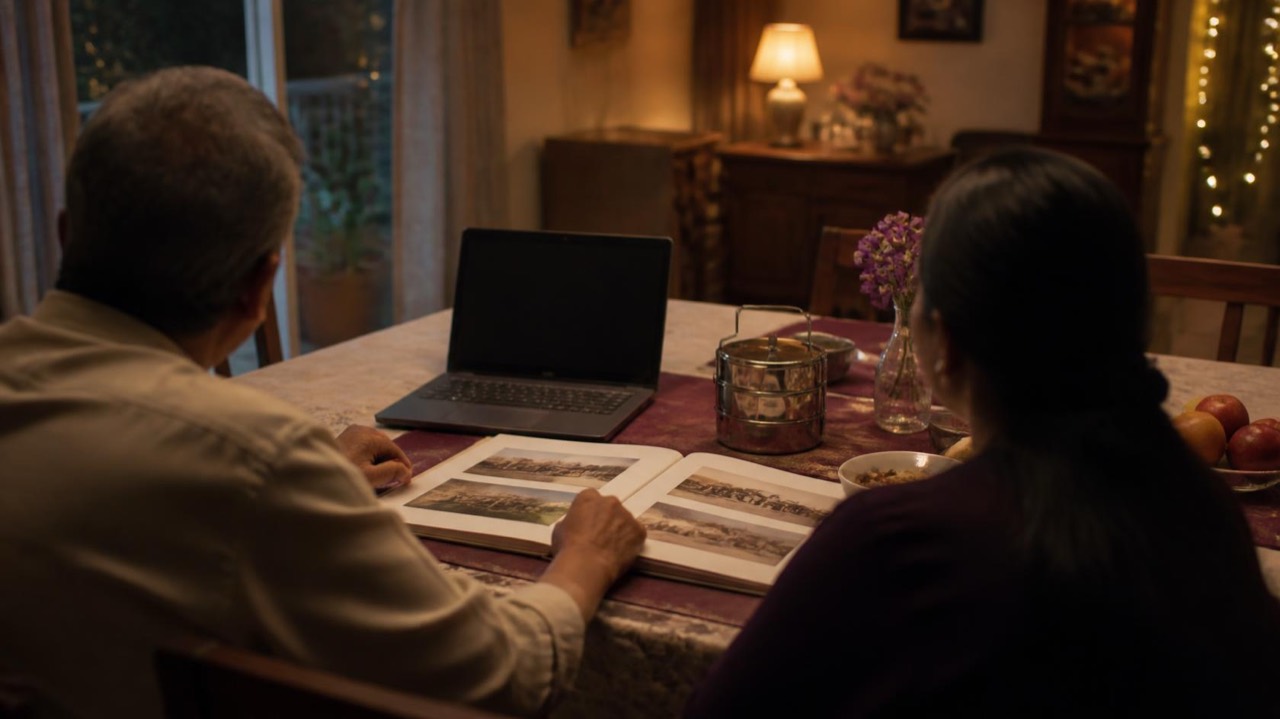
You have rehearsed it in the car, in the shower, at 2 am. You know which parent will be quiet and which will raise their voice. You know that your grandmother will ask about the surname before anything else. And you know, too, that your parents love you and want you to be happy, even if their idea of what that looks like is not quite yours.
This piece will not tell you how your family will react. It will help you prepare for the conversation, have it well, and keep going if the first answer is not the one you hoped for.
Why it happens more now
Education, cities and workplaces
A generation ago, most people married within their community partly because most of the people they met were from it. That has changed for many professionals. You studied at a college with students from twenty states. You trained at an academy or residency where nobody cared what your surname was. You work in a city far from home, in a hospital, a district office, a firm or a startup where colleagues come from everywhere.
It is not surprising that people who share a profession, a city and a way of life often find more in common with each other than with someone from their own community who lives a very different life.
Shared values over shared surnames
Many people in inter-community relationships describe the same thing. What they share is not caste, region or language. It is how they think about work, family, money, children and the kind of home they want. An IAS officer from Bihar and a doctor from Kerala may find their values much closer than either expected. Their parents, meeting for the first time, may find the same.
That is worth saying to your family. The point is not that community does not matter. It is that something else matters more.
Preparing for the conversation
Know your reasons
Before you talk to anyone, be clear with yourself. Why this person? What do you share? What will the differences mean in practice: languages at home, festivals, food, rituals at the wedding, how children will be raised? You do not need every answer, but your parents will ask some of these questions, and “we'll figure it out” is less reassuring than “we've talked about it, and here is what we think.”
Be clear too about how sure you are. If you are still deciding, say so. If you have decided, say that, kindly but firmly. Parents can tell the difference, and it changes the conversation.
Choose the time
Timing matters more than people think. Avoid a family wedding, a festival with relatives in the house, or a day when a parent is unwell or stressed. Choose a quiet weekend at home, with time to talk and time afterwards for everyone to think.
Think about who to tell first. Many people start with the more open parent, a sibling, or a trusted elder who can help prepare the ground. Others prefer to tell both parents together, so nobody feels the other knew first. Both approaches can work. Choose based on your family, not on a rule.
What would you do?
Who should you tell first?
Talking to parents
Listen to fears
Your parents' first reaction may be anger, silence or tears. Underneath, there are usually fears. Will our child be accepted by the other family? What will our relatives say? Will the differences cause problems later? Will the grandchildren know our traditions? Will we lose our child to another world?
Listen to these fears without arguing with every one. Say them back so they know you heard: “You're worried her family won't treat me as their own.” Then respond calmly, with what you know. Some fears you can answer. Some only time will answer, and it is fine to say so.
Avoid ultimatums in the first conversation, even if you feel strongly. “Accept this or lose me” closes doors that patience might have opened.
Introduce the person
Abstract objections often soften when parents meet the person. A name and a community are easy to object to. A kind, respectful, accomplished person who touches their feet, asks about their health or shares their love of old Hindi film songs is much harder to dismiss.
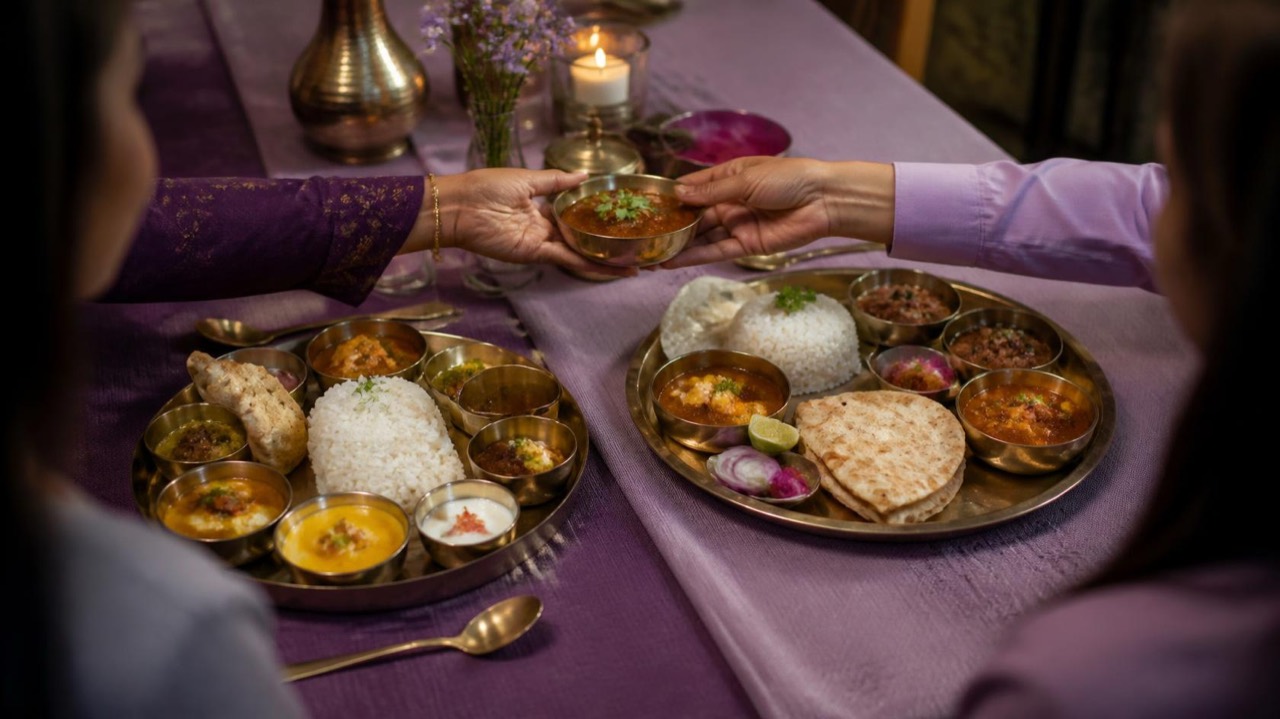
Plan the first meeting carefully. Somewhere comfortable for your parents, not too formal, not too long. Brief your partner about your family, what matters to them and what to avoid. Then let them be themselves.
When families are ready, a meeting between the two sets of parents can help too. Parents who discover they share values, worries and hopes for their children often find the differences matter less. Our piece on how parents can help find a match has more on how parents can take part constructively.
What if…
What if your parents ask for time to think?
When it's hard
Elders as allies
Sometimes the first conversation goes badly, and the second, and the third. That is not the end. In many Indian families, a respected elder can shift the conversation in a way children cannot: a grandparent, an uncle or aunt, a family friend your parents trust. Someone who knows your family and has seen the world change.
Talk to them first, privately. Explain your situation and ask whether they would be willing to speak to your parents. Do not ask them to take sides, only to help your parents listen.
A neutral voice can help too: a family counsellor, or a family friend who is a doctor or a teacher. Sometimes parents will say to an outsider what they cannot say to their own child.
Time
Many families come round, but not all at once. Parents who were angry in the first month may be quieter by the sixth, curious by the ninth. Giving them time is not the same as giving up. Keep talking, keep visiting, keep including them in your life and, where they are open to it, your partner's.
At some point, you may need to set a gentle timeline: “We want to marry next winter, and we want you there. Can we keep talking until then?” That respects their feelings without leaving your life on hold.
For a wider view of how arranged and self-chosen matches are blending in Indian families today, see our piece on modern arranged marriage in India.
The law
The Special Marriage Act, 1954
Couples who marry across religions, or who prefer a civil marriage whatever their religion, can marry under the Special Marriage Act, 1954. Under the Act, the couple gives notice to the Marriage Officer of the district where at least one of them has lived for a set period before the notice. The notice is displayed and there is a waiting period, commonly thirty days, during which objections on legal grounds may be raised, before the marriage can be solemnised in front of witnesses. Procedures, documents and local practice vary, so check the current process with the Marriage Officer in your district or a lawyer before you plan dates.
Couples from different castes or communities within the same religion can also marry under their own personal law, with the usual ceremonies, and register the marriage.
Your rights as adults
Indian courts have repeatedly affirmed that adults have the right to choose whom they marry. That right is yours whatever your family decides. If you ever face threats or coercion, contact the police, or dial 112 in an emergency, and speak to a lawyer.
Most families never get anywhere near that point. But knowing your rights can make you calmer in the conversations that matter.
On Officer Saathi, where officers, professionals and their families meet for marriage, dating and connections, community is an optional detail on your profile, not a must-have filter, and family details open only after both people say yes. The families page explains how parents and grown-up children can each take part.
Whatever happens, start the conversation with love. It is the thing you and your parents have in common, whatever else you disagree on.
Questions, answered briefly
How do I tell my parents about an inter-community match?
Prepare your reasons, choose a calm moment and consider starting with the more open parent or a sibling. Listen to their fears, avoid ultimatums, and offer to introduce the person.
What is the Special Marriage Act?
The Special Marriage Act, 1954 allows couples to marry in a civil ceremony regardless of religion, after giving notice to the district Marriage Officer and a waiting period. Check the current procedure with the Marriage Officer or a lawyer.
How long should I wait for family approval?
There is no fixed answer. Many families need months; giving time while setting a gentle timeline respects their feelings without putting your life on hold.
Does Officer Saathi filter by community?
Community is an optional detail on your profile and is not one of the must-have filters. Family details open only after both people accept a request.
Did this help?
Comments